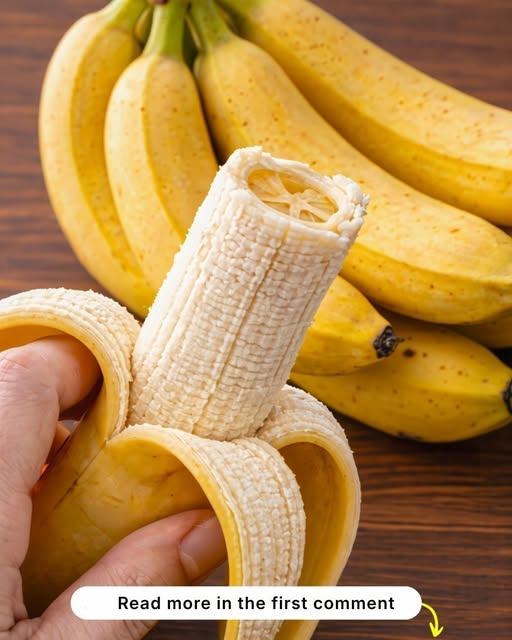

Let’s be honest—after 60, you’ve earned the right to keep things simple. No fad diets, no complicated supplements, no hard-to-find superfoods. Just real, accessible nourishment that supports your energy, heart, digestion, and overall well-being.

Enter the humble banana: soft, naturally sweet, easy to eat (no chopping required!), and packed with nutrients that become even more valuable as we age.
Far from being “just a fruit,” the banana is a gentle powerhouse—especially for those navigating the natural changes that come with later decades. And eating one a day? It might be the easiest wellness habit you’ll ever adopt.
What’s Inside One Banana?
One medium banana (about 7-8 inches) contains:
| Nutrient | Amount | % Daily Value | Key Benefit for Over 60 |
|---|---|---|---|
| Potassium | 422 mg | 12% | Blood pressure regulation, muscle function |
| Magnesium | 32 mg | 8% | Muscle relaxation, sleep, bone health |
| Vitamin B6 | 0.4 mg | 25% | Brain health, red blood cell formation |
| Vitamin C | 10 mg | 11% | Immune function, collagen production |
| Fiber | 3 g | 12% | Digestion, heart health, blood sugar control |
| Carbohydrates | 27 g | — | Steady energy |
| Manganese | 0.3 mg | 15% | Bone health, metabolism |
8 Reasons to Eat a Banana Every Day After 60
1. Your Blood Pressure May Improve
Why Eating a Banana a Day After 60 Is One of the Smartest Health Moves You Can Make
Potassium is one of the most important minerals for regulating blood pressure—and bananas are famous for it. One medium banana provides about 12% of your daily potassium needs.
Why it matters after 60: Blood pressure tends to rise with age due to stiffening arteries and changes in kidney function. Adequate potassium helps counterbalance sodium and relax blood vessel walls.
The research: Studies show that higher potassium intake is associated with lower blood pressure and reduced risk of stroke, particularly in older adults.
2. Your Digestion Becomes More Regular
Constipation becomes more common as we age due to slower digestion, medications, and changes in gut bacteria. Bananas offer two types of fiber that help:
-
Soluble fiber – Absorbs water, softening stool
-
Insoluble fiber – Adds bulk, helping move waste through the digestive tract
Why it matters after 60: Gentle, consistent fiber intake supports regularity without harsh laxatives.
Bonus: Unripe (green) bananas contain resistant starch, which acts as a prebiotic—feeding beneficial gut bacteria.
3. Your Muscles May Cramp Less
Nighttime leg cramps are a common complaint after 60. While causes vary, deficiencies in potassium and magnesium can contribute.
Bananas provide both minerals, which play key roles in:
- Muscle contraction and relaxation
-
Nerve signal transmission
-
Fluid balance
What it means: A daily banana won’t cure all cramps, but it may help reduce their frequency—especially if your diet is low in these minerals.
4. Your Heart Gets Support
Beyond blood pressure, bananas support heart health through:
- Fiber – Helps lower LDL (“bad”) cholesterol
- Potassium – Reduces strain on the cardiovascular system
-
Antioxidants – Dopamine and catechins fight oxidative stress
Why it matters after 60: Heart disease risk increases with age. Small, consistent dietary choices add up.
5. Your Brain May Benefit
Bananas are one of the best food sources of vitamin B6—providing 25% of your daily needs in one fruit. B6 is essential for:
-
Producing neurotransmitters like serotonin and dopamine
-
Maintaining cognitive function
-
Reducing homocysteine levels (high levels are linked to cognitive decline)
Why it matters after 60: Brain health becomes an increasing priority. Adequate B6 supports mood, memory, and mental clarity.
6. Your Energy Levels Stay Steadier
The natural sugars in bananas—glucose, fructose, and sucrose—provide quick energy, while the fiber slows absorption for longer-lasting fuel.
Why it matters after 60: Energy dips become more common. A banana is a perfect pre-walk, mid-afternoon, or post-activity snack.
7. Your Bones Get a Boost
While bananas aren’t high in calcium, they support bones through: