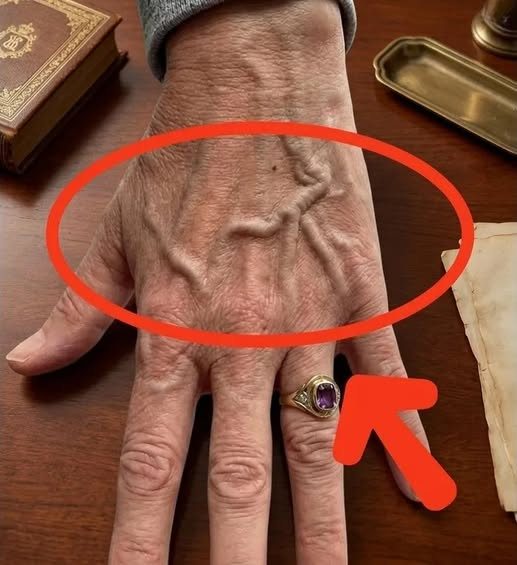

Most people rarely think about their veins—until one day they appear more noticeable than before. This change can bring curiosity, concern, or even self-consciousness. Visible veins may seem alarming, but in most cases, they are simply a natural part of the body’s changes over time. Understanding the causes and potential implications of visible veins can provide reassurance and help us distinguish between harmless shifts and signs that may warrant attention.
Veins are crucial components of our circulatory system, responsible for carrying blood back to the heart. Because they sit just beneath the surface of the skin, small changes in our body can make them more noticeable. For instance, individuals with lower body fat or those who engage in regular physical activity often have more defined veins. The reason is simple: less subcutaneous fat means there’s less tissue to obscure the veins, making them more prominent. Moreover, regular exercise increases blood flow and can temporarily expand blood vessels, making veins appear larger. In addition to exercise, warm weather can also cause veins to become more visible, as the body dilates blood vessels to help regulate temperature. Other factors such as genetics, hydration levels, and natural skin tone also influence how prominent veins can be.
Aging also plays a role in how visible veins become. As we age, our skin naturally thins and loses some of its elasticity. The decrease in skin thickness makes veins closer to the surface of the skin more noticeable. This is a common and expected part of the aging process, usually nothing to worry about. Some people may also notice that the veins in their hands, arms, or legs become more visible with age, and it’s simply a reflection of these natural changes.
However, not all instances of visible veins are benign. While most visible veins are harmless, certain conditions can cause veins to appear unusually prominent or swollen, and may require medical attention. One such condition is varicose veins—enlarged, twisted veins that often develop in the legs. Varicose veins occur when the valves within the veins become weak or damaged, causing blood to pool and the vein to enlarge. This condition can lead to discomfort, swelling, and a feeling of heaviness in the affected limbs. The causes of varicose veins can vary and may include prolonged periods of standing, hormonal changes (such as pregnancy or menopause), a family history of vein issues, and even obesity.
In some cases, visible veins are simply a sign that blood flow is not as efficient as it could be, leading to enlarged or raised veins. If you notice that your veins are accompanied by additional symptoms such as pain, swelling, warmth, or changes in color, it’s a good idea to seek medical advice. These signs could indicate an underlying circulation problem or a more serious condition such as a blood clot or deep vein thrombosis (DVT), which requires immediate attention.
For most people, visible veins are not a cause for concern and can be managed with simple lifestyle adjustments. Staying active is one of the best ways to maintain healthy circulation, as regular movement helps keep blood flowing efficiently throughout the body. Maintaining a balanced weight and avoiding prolonged periods of standing or sitting can also reduce pressure on the veins, preventing them from becoming more prominent. Hydration is another important factor—ensuring your body has adequate fluid levels helps maintain smooth circulation and can reduce the appearance of visible veins. Compression stockings or sleeves are often recommended for people who spend long hours on their feet or who experience leg swelling, as they help support the veins and improve blood flow.
For those who are particularly self-conscious about the appearance of visible veins, medical treatments are available. Sclerotherapy, for example, involves injecting a solution into the affected veins, causing them to collapse and fade. Laser treatments can also be used to target smaller veins, using light energy to close off the vein and redirect blood flow. These procedures are generally safe, but like all treatments, they should be discussed with a healthcare provider to determine the best course of action based on individual circumstances.
Ultimately, visible veins are most often a normal part of how our bodies function. They are not inherently a sign of health issues, though it’s always wise to remain vigilant about any changes. If you notice sudden or unusual changes in your veins, especially if accompanied by discomfort, it’s important to consult with a healthcare provider. In most cases, maintaining a healthy lifestyle, staying active, and protecting your skin will keep your veins functioning optimally as you age, allowing you to enjoy life without undue worry about this natural and often harmless condition.