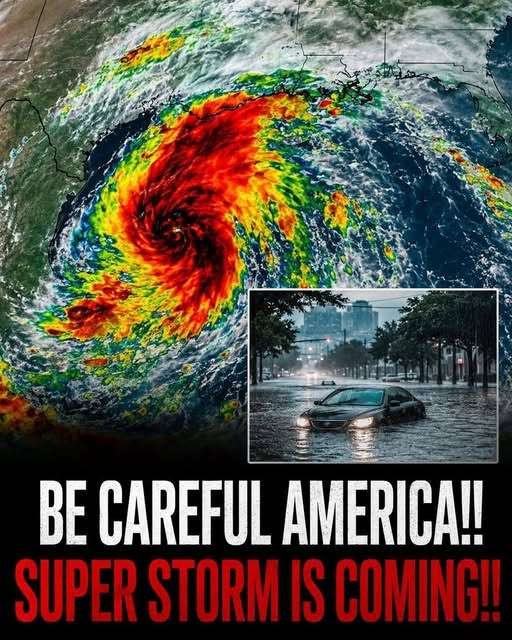

Weather systems of significant strength and complexity can have far-reaching consequences for communities, infrastructure, and emergency services. In certain situations, meteorologists may observe atmospheric conditions that suggest the development of a large and potentially powerful storm system. When such systems form, they are closely monitored due to their capacity to produce heavy rainfall, strong winds, and localized flooding across multiple regions.
This article explores a hypothetical but realistic scenario in which a major storm system develops and moves toward populated areas. The focus is on understanding how such systems form, what risks they may present, and how communities are generally advised to prepare for extreme weather events.
Severe weather systems typically form when multiple atmospheric conditions align. Warm air near the surface, high humidity levels, and colder air aloft can interact to create instability in the atmosphere. When this instability increases, it may lead to the formation of organized storm systems capable of covering large geographic areas.
In some cases, ocean temperatures that are higher than average can contribute additional energy and moisture to developing weather systems. This added energy can strengthen storm activity, allowing systems to maintain intensity over longer periods and across greater distances. Meteorologists study these conditions using satellite data, radar systems, and predictive weather models in order to estimate potential impacts.
When a large storm system begins to organize, it may appear as a broad rotating structure on satellite imagery. Depending on atmospheric conditions, such systems can expand in size and affect multiple regions simultaneously, including coastal areas and inland territories.
Monitoring and Forecasting Severe Weather
Weather forecasting agencies continuously analyze incoming data to assess the strength, direction, and potential hazards associated with developing storms. These assessments are based on a combination of observational tools, including satellite imaging, ocean temperature readings, and atmospheric pressure
When a system shows signs of intensification, meteorologists may issue advisories or warnings to inform the public about potential risks. These communications are intended to provide time for preparation rather than to create alarm. Forecast uncertainty is always considered, as weather systems can change in speed, direction, and intensity.
In large-scale storm scenarios, forecasts may indicate the possibility of heavy rainfall, strong wind gusts, and isolated severe weather events such as thunderstorms or tornado formation. However, the exact location and severity of these impacts often depend on how the system evolves as it moves over land.
Authorities typically emphasize that floodwaters should never be underestimated. Even shallow moving water can create dangerous situations for vehicles and pedestrians. For this reason, public safety guidelines strongly discourage unnecessary travel during active flood conditions.
Wind Impacts and Localized Severe Weather
In addition to heavy rainfall, strong storm systems can produce high winds. These winds may vary in intensity depending on the structure of the system and local geographic conditions. In some cases, wind gusts may be strong enough to cause minor structural damage, down trees, or disrupt power infrastructure.
Under certain atmospheric conditions, isolated severe weather phenomena such as tornadoes may also occur within larger storm systems. These events are typically localized and short-lived but can produce significant damage along their paths. Meteorological agencies monitor these risks closely and issue warnings when necessary.
The combination of wind and rain can increase overall hazard levels, particularly when infrastructure is already under stress. Power outages, transportation delays, and communication disruptions are common secondary effects of such weather events.
Impact on Infrastructure and Urban Systems
Modern cities rely on infrastructure systems that include drainage networks, power grids, transportation routes, and communication systems. When extreme weather occurs, these systems can experience strain beyond their intended capacity.
Stormwater drainage systems, for example, are typically designed based on historical rainfall patterns. When rainfall exceeds expected levels, drainage capacity may be overwhelmed, leading to surface flooding in streets and public areas. This can result in temporary road closures and restricted access to certain neighborhoods.
Transportation systems may also be affected. Flooded roadways, reduced visibility, and debris can make travel unsafe. In some cases, public transportation services may be delayed or suspended until conditions improve.
Utility systems such as electricity and telecommunications may also experience disruptions due to wind damage or flooding. These impacts can affect homes, businesses, and emergency services.
Emergency Preparedness and Coordination
When a significant weather system is expected, emergency management agencies typically coordinate preparedness efforts across local, regional, and national levels. This includes monitoring weather developments, staging emergency supplies, and preparing response teams.
Organizations responsible for disaster response often position resources such as rescue equipment, temporary shelters, and medical supplies in areas that may be affected. The goal is to ensure rapid response capability if conditions worsen.
Public safety officials generally encourage residents in vulnerable areas to remain informed through official weather updates. This includes monitoring forecasts, following local advisories, and understanding evacuation procedures if they are issued.
In cases where evacuation becomes necessary, authorities emphasize the importance of timely action. Delays in leaving at-risk areas can increase the difficulty of emergency response and reduce overall safety outcomes.
Community Risk Awareness and Decision-Making
One of the most important aspects of severe weather preparedness is public awareness. Individuals and families are encouraged to understand their local risk factors, including proximity to rivers, floodplains, or coastal areas.
Historical weather patterns can provide useful context, but they do not guarantee future safety. Weather systems vary widely, and unusual events can occur outside of expected patterns. For this reason, reliance solely on past experiences is not recommended when making safety decisions.
Preparedness often includes simple but important steps such as identifying safe locations, maintaining emergency supplies, and ensuring access to reliable communication channels. These measures can help individuals respond more effectively during rapidly changing conditions.
The Role of Atmospheric Conditions in Storm Strength
The intensity of large storm systems is often influenced by the availability of heat and moisture in the atmosphere. When warm, humid air is abundant, it can contribute to the development and maintenance of strong weather systems.
As storms move across different regions, they interact with varying environmental conditions. In some cases, these conditions can either weaken or sustain the system. Warm surface temperatures, especially over oceanic regions, can provide additional energy that supports continued storm activity.
Meteorologists analyze these factors continuously in order to improve forecasting accuracy. While prediction models have become increasingly advanced, atmospheric systems remain inherently complex and can evolve in unexpected ways.
Public Guidance During Severe Weather Events
During periods of heightened weather risk, public safety organizations typically issue a series of recommendations designed to reduce harm and improve preparedness. These may include:
- Staying informed through official weather updates
- Preparing emergency kits with essential supplies
- Charging electronic devices in advance of potential outages
- Securing outdoor objects that may be affected by wind
- Avoiding travel during hazardous conditions
- Following evacuation instructions if issued
These guidelines are designed to help individuals reduce exposure to risk and respond appropriately as conditions change.
Conclusion: Importance of Preparedness and Awareness
Large-scale storm systems serve as a reminder of the power and unpredictability of natural weather processes. While forecasting technology continues to improve, the ability to fully control or prevent weather-related impacts remains limited. As a result, preparedness and awareness remain the most effective tools for minimizing risk.
By understanding how storm systems develop, how they may affect infrastructure, and what steps can be taken in advance, communities can improve resilience in the face of severe weather. The key takeaway is not fear, but readiness—ensuring that individuals and organizations are equipped to respond calmly and effectively when challenging weather conditions arise.