Most people barely notice pennies anymore. They pile up in jars, car cup holders, and drawers, often seeming too small to matter. But sometimes, an ordinary coin becomes an extraordinary piece of history.
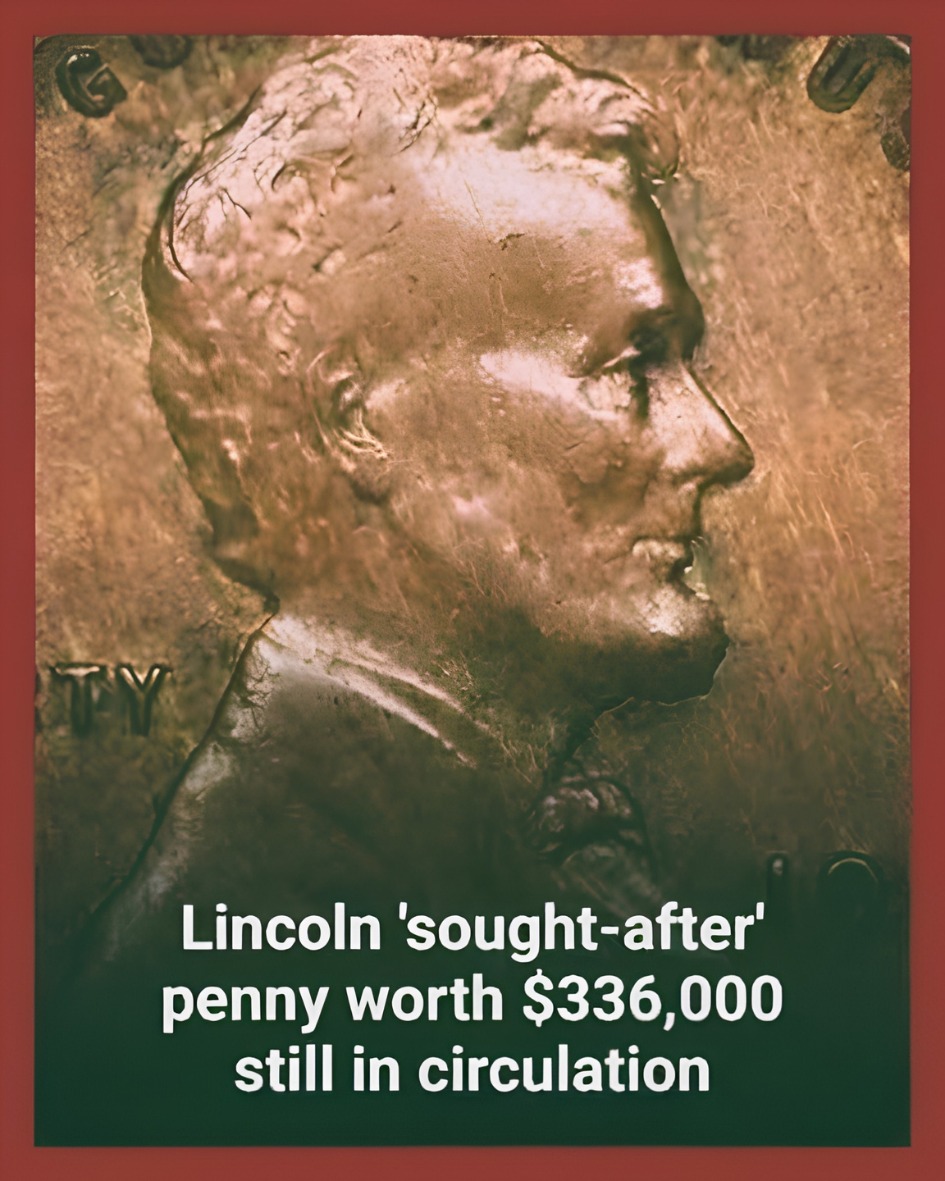
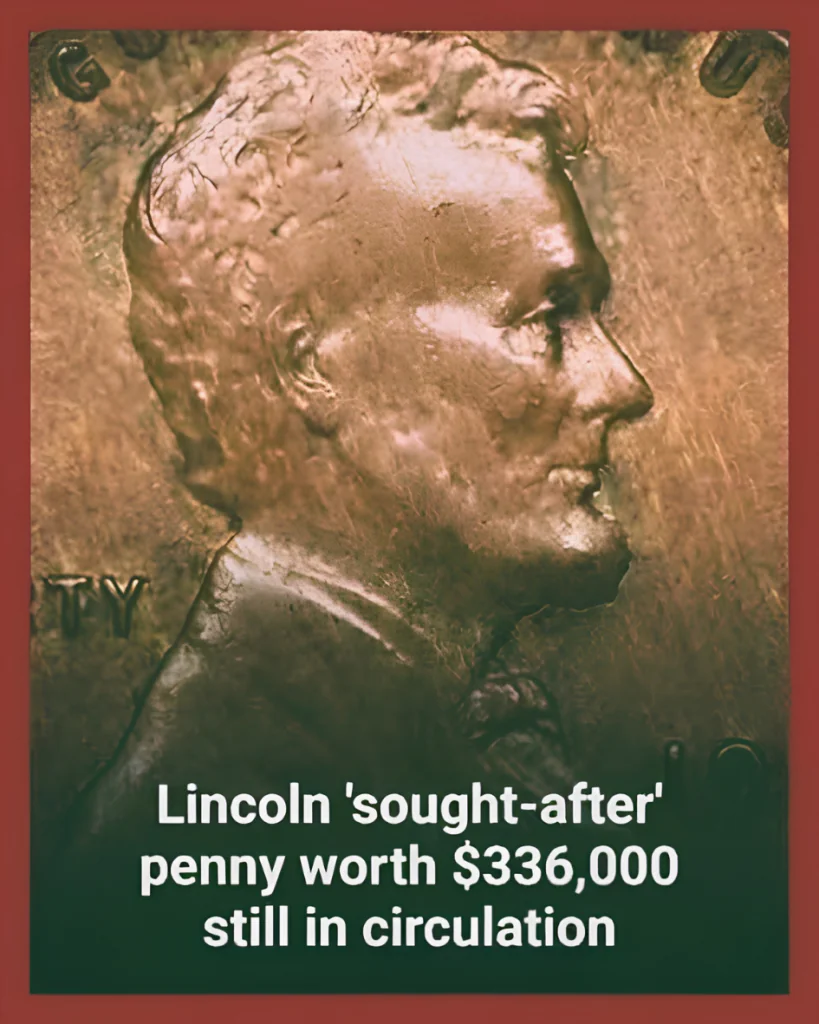
That’s exactly what happened with the 1943 bronze Lincoln cent — one of the rarest and most valuable error coins in American history.
During World War II, copper was urgently needed for military equipment, so in 1943 the U.S. Mint stopped making normal bronze pennies and switched to zinc-coated steel cents instead. These silver-colored “steel pennies” became common, but during the transition, a few leftover bronze blanks from 1942 were accidentally stamped with the 1943 date.
The mistake created one of the most famous rare coins ever discovered.
Only a handful of genuine 1943 bronze cents are believed to exist today. Because of their rarity and wartime history, some have sold for hundreds of thousands of dollars, with certain examples exceeding $300,000.
One of the best-known coins belonged to Don Lutes Jr., who reportedly received the unusual penny in change as a teenager during the 1940s. Even after experts told him the coin couldn’t be real, he kept it for decades. Years later, authentication proved it was genuine, and the coin eventually sold for over $200,000 at auction.
Stories like his continue inspiring collectors to search through old jars and inherited coin collections.
Of course, most 1943 copper-colored pennies are not valuable rarities. Many steel cents were later copper-plated or altered to fool buyers.
Collectors usually begin with a few simple tests:
- Genuine steel 1943 pennies stick to magnets.
- Authentic bronze versions do not.
- Bronze cents also weigh slightly more than steel ones.
Still, professional authentication is essential before assuming any coin is valuable.
What makes the 1943 bronze cent so fascinating is that it represents more than money. It reflects a wartime manufacturing change, a rare minting mistake, and the idea that something incredibly valuable can pass unnoticed through ordinary hands.
Most pennies are worth only one cent.
But every once in a while, a tiny overlooked object survives long enough to remind people that value is not always obvious at first glance.