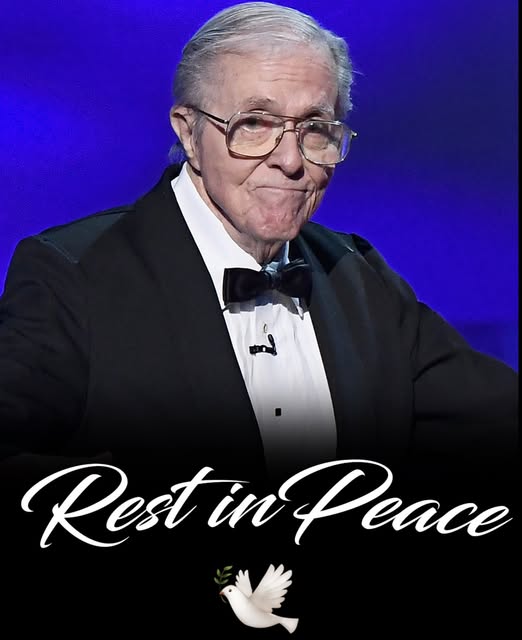

Charles C. Stevenson Jr. was never the kind of performer who demanded the spotlight the moment he appeared on screen. He didn’t rely on dramatic entrances, oversized personalities, or scene-stealing monologues to make an impression. Instead, his strength as an actor came from something quieter and, in many ways, more enduring. He brought stability to the worlds he stepped into. While leading actors delivered punchlines, emotional speeches, or larger-than-life performances, Stevenson often occupied the background with a calm, grounded presence that made every scene around him feel more believable.
For audiences, he became one of those familiar faces who seemed to exist naturally within the fabric of television and film. Viewers may not always have known his name immediately, but they recognized him. He was the actor whose presence made fictional worlds feel lived in and authentic, someone who contributed depth without ever demanding attention for himself.
Now, that steady presence is gone.
According to reports shared by his family, Stevenson passed away from natural causes on January 19 in Camarillo at the age of 89. His passing marks the end of a career that stretched across decades and reflected a style of acting built not on celebrity alone, but on reliability, professionalism, and consistency.
For many television viewers, Stevenson is most closely associated with his recurring role as Smitty the bartender on Will & Grace. It was not a leading role, nor was it designed to dominate the narrative. But that was precisely what made it effective. Smitty functioned as a steady anchor within the fast-moving rhythm of the series. While the main cast navigated rapid-fire comedy, emotional conflict, and sharp dialogue, Stevenson’s character offered a quiet sense of continuity.
That kind of performance is often overlooked in conversations about television success, yet it is essential to the structure of long-running ensemble shows. Supporting characters create texture, realism, and emotional grounding. Stevenson understood this dynamic instinctively. Rather than trying to compete for attention, he focused on making every moment feel natural and believable.
Will & Grace itself became one of the defining sitcoms of its era, recognized for its writing, chemistry, and cultural impact. The series earned numerous awards and played a significant role in shaping modern television comedy. Within that environment, even recurring supporting roles carried importance, and Stevenson’s work as Smitty became a memorable part of the show’s atmosphere.
He appeared in 12 episodes over multiple seasons, with his final appearance airing in 2020. At that point, Stevenson was already in his late 80s, still actively working and contributing to productions decades after beginning his career. That level of longevity is rare in entertainment and reflects more than talent alone. It reflects discipline, adaptability, and a deep commitment to the craft of acting.
But Stevenson’s career extended far beyond one sitcom.
His journey in entertainment began in the early 1980s with an appearance on Voyagers!. From there, he steadily built a résumé that represented the life of a true working actor. Rather than becoming defined by a single breakout role, he moved consistently between projects, earning trust within the industry through professionalism and dependability.
In film, Stevenson appeared in several widely recognized productions, including The Naked Gun, Ed Wood, Men in Black, Pleasantville, and Ghost World. His roles in these films were often supporting parts, but they carried the same understated quality that defined his television work. Directors frequently rely on actors like Stevenson to create credibility within scenes—to make fictional environments feel grounded and complete.
Television offered even more opportunities for him to leave a lasting impression. Over the years, he appeared in an extensive list of well-known series, including Cheers, L.A. Law, Dynasty, Murder, She Wrote, Family Matters, Everybody Loves Raymond, The Office, Weeds, My Name Is Earl, Las Vegas, and Curb Your Enthusiasm.
Taken together, that filmography reflects more than experience. It reflects endurance across multiple generations of television. Stevenson worked through changing trends, evolving production styles, and shifting audience expectations while maintaining the same grounded approach that defined his performances from the beginning.
One of the qualities that made him particularly respected within the industry was his understanding of his role in the larger creative process. He never appeared driven by the need to dominate scenes or constantly reinvent his public image. Instead, he focused on reliability and precision, qualities that directors and producers value deeply.
His son once shared a story that captured this aspect of his personality well. Because Stevenson frequently portrayed clergy members, officiants, or authority figures throughout his career, he often joked that his acting career mainly involved “marrying or burying people.” The humor reflected his self-awareness and modesty. He understood the kinds of roles he was known for and embraced them without ego.
At the same time, he approached those roles seriously enough to excel at them. Directors trusted him not only because he delivered performances consistently, but because he brought stability to productions where timing and professionalism mattered.
Long before Hollywood became part of his life, Stevenson followed a very different path. He served in the United States Navy during the Korean War, an experience that likely shaped much of the discipline and perspective he later carried into his acting career. After completing his military service, he studied English at University of California, Berkeley before eventually moving into entertainment.
His path to acting was not immediate or glamorous. It developed gradually, through persistence and experience rather than sudden fame.
Outside of acting, Stevenson was also deeply connected to his family life. He was married multiple times and leaves behind five children, along with grandchildren and great-grandchildren. While audiences knew him through television screens and film appearances, those closest to him knew a life built around relationships extending far beyond the entertainment industry.
As news of his death spreads, reactions from fans and colleagues have been notably reflective rather than dramatic. Many people find themselves recognizing his face before recalling his name, then slowly realizing just how many beloved shows and films included his work over the years.
That is often the legacy of a great character actor.
Their performances become woven into the emotional texture of stories people remember for decades. They may not always stand at the center of attention, but they help create the world surrounding it.
Charles C. Stevenson Jr. spent decades doing exactly that.
He wasn’t chasing the spotlight.
He was strengthening everything around it.
And that kind of contribution leaves a lasting impression long after the screen fades to black.