
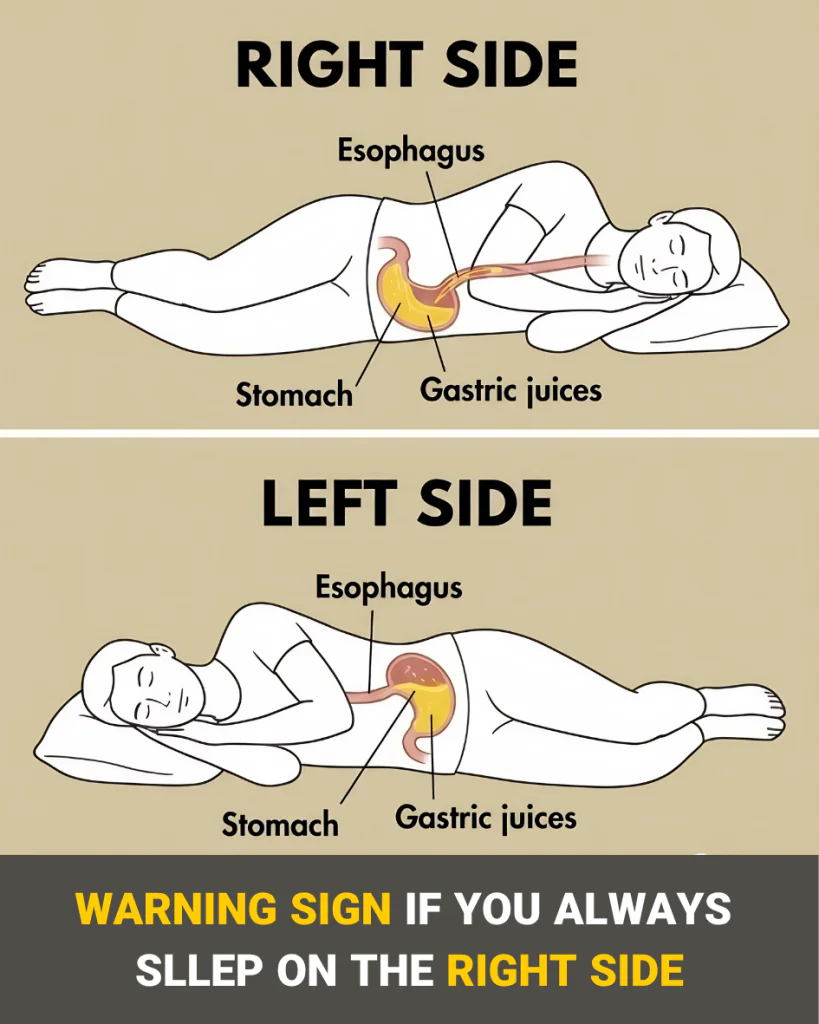
The idea that one sleep position is “better” than another sounds straightforward, but it’s actually more personal than prescriptive. How you sleep can affect breathing, digestion, and overnight recovery, yet there’s no single position that works best for everyone.
What matters most is how your own body responds.
Left side: often recommended, but not universal
Sleeping on the left side is commonly suggested, especially after eating. Many people find it feels more comfortable at night and may reduce that heavy or bloated sensation after meals. This is partly due to how the stomach and other organs are positioned when you lie on that side, which can make digestion feel a bit easier.
For some, this position also feels naturally calming. Curling slightly on your side can create a sense of security that helps the body relax and drift off more easily.
That said, it isn’t ideal for everyone. If it leads to shoulder pain, numbness, or discomfort, then it’s not the right choice for you.
Right side: equally valid
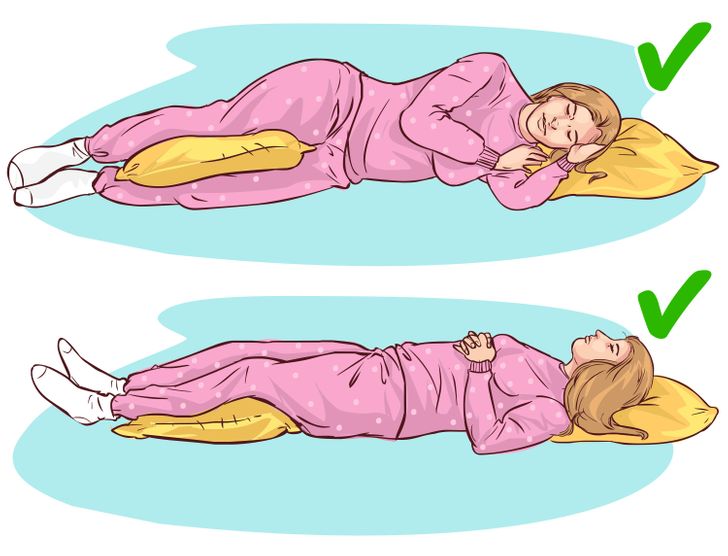
Sleeping on the right side is just as normal and comfortable for many people. Some notice less pressure on certain joints or simply find it aligns better with their natural relaxation patterns.
The real distinction isn’t “right versus left,” but whether your body feels evenly supported. If you wake up without stiffness or soreness, your position is likely working well.
Back sleeping: good alignment, with trade-offs
Sleeping on your back is often associated with better spinal alignment, especially when your pillow supports your neck properly. It can help keep your spine in a neutral position and reduce strain.
However, it doesn’t suit everyone. Some people snore more or experience lighter, more disrupted breathing in this position, while others find it harder to stay relaxed.
What matters more than the position
Rather than following strict rules, it helps to pay attention to your own patterns:
- Do you wake up refreshed or stiff?
- Do you fall asleep easily or feel restless?
- Do you change positions often during the night?
These signs are usually more reliable than general recommendations.
Small changes that improve sleep
Often, the biggest improvements come not from changing sides, but from better support:
- A pillow that keeps your neck aligned
- A mattress that matches your body’s natural curves
- A pillow between your knees when side-sleeping
- A cool, quiet, and calm sleeping environment
These adjustments can make a bigger difference than any single “best” position.
Bottom line
There is no universally correct way to sleep. Left, right, and back positions can all work well depending on your body and comfort.
The most helpful approach is simple: notice how you feel, make small adjustments when needed, and aim for consistency.
Good sleep isn’t about following strict rules—it’s about finding the position that allows your body to fully rest.