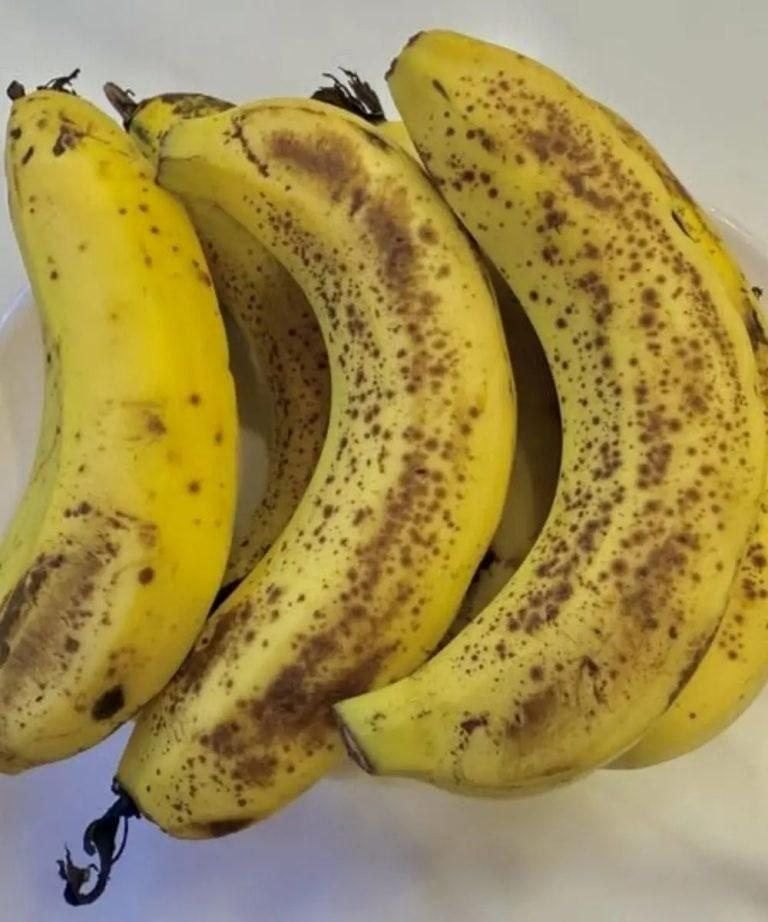
 Bananas are among the most popular fruits worldwide – and for good reason. They are sweet, easy to pack, and provide valuable nutrients. Although they often look similar, bananas at different stages of ripeness have very different effects on our bodies. Basically, there are two main types: the pale yellow, almost perfect banana and the fully ripe fruit with the characteristic brown spots. Both varieties offer specific benefits. Knowing the differences allows you to choose the ripeness that best suits your needs.
A slightly ripe, yellow banana contains a moderate amount of natural sugar, mainly fructose and sucrose. Crucially, however, it has a high resistant starch content. This ensures slower digestion and a gradual release of energy into the bloodstream. This contributes to stable blood sugar levels, making bananas an excellent choice for anyone watching their sugar intake or trying to control their weight. The yellow variety is also ideal before a workout to ensure a steady supply of energy over a longer period.

Sweet Energy: What Happens During Ripening?
Spotted bananas, on the other hand, consist mainly of simple sugars. During the ripening process, the starch they contain is almost completely converted into glucose and fructose. This makes the fruit not only significantly sweeter but also softer and easier to digest. The downside: These sugars cause insulin levels to rise more quickly. People with diabetes or those following a strict low-sugar diet should therefore consume ripe bananas only in moderation and in small portions. However, they are unbeatable for a quick energy boost immediately after exercise.
A particularly interesting aspect of spotted bananas is their higher antioxidant content. Dark spots on the peel indicate a higher concentration of valuable protective substances. These substances help reduce inflammation in the body and strengthen cellular defenses. Studies suggest that the antioxidant capacity of bananas increases with ripening, which may reduce the risk of chronic diseases, including cardiovascular disease. Yellow bananas also contain these substances, but in lower concentrations.
Focus on Digestion and Gut Health
Yellow bananas are particularly valued for their prebiotic effect. Resistant starch acts similarly to dietary fiber and serves as food for the beneficial bacteria in our gut flora. This improves digestion and promotes a lasting feeling of fullness. Those who frequently experience cravings should therefore opt for the firmer yellow fruit. It keeps the stomach fuller for longer and promotes a healthy gut flora, which in turn strengthens overall well-being and the immune system.